
The Importance of Light in Photography
- vsah6738
- Oct 7, 2021
- 2 min read
There is a difference between what we click and what we view. It is not always the clicks that make the maximum noises. Rather, the outputs are generated and edited through the inclusion of lighting effects that make an image so stunning.
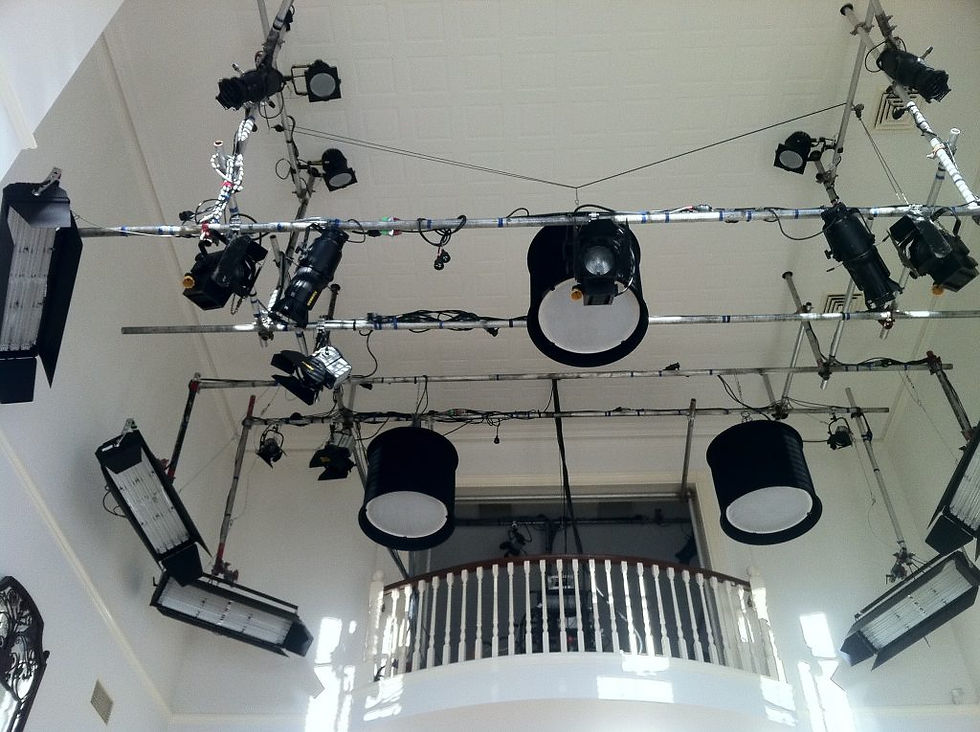
Lighting plays an integral role in photography. Whether you are a novice or an expert professional holding the camera, the presence of an appropriate amount of light certainly has a big impact on photography. An image clicked in an apt lighting condition will have a different output compared to something clicked in dull light settings. Photography courses emphasize strongly on studio lighting Australia educates the upcoming photographers about the importance of lights and shades in camera works.

Experienced photographers always focus on the contrast of the image to adjust the lighting effect. A perfect ratio between contrast and exposure plays an integral role in defining the edges of the image while making it pop up the screen. How well a photographer manages the dark and light areas of a photograph defines his/her efficiency level in photography editing.
There are three qualities of light:
1. Intensity
2. Color
3. Direction
While intensity deals with the total light being reflected at the background and by the performer, color defines the background shades and the impact it has on the performer. Next, it is the direction that defines the angle through which light moves along with the location of shadows being cast by the surroundings as well as by the performer.
It is not always that the clicks are 100% accurate as expected. There are bound to be some areas of errors in regards to lighting effects and colorization of the image. The post-snap part, i.e. the editing process plays an important role. It is the editing process where adjustments are carried out. The editing process is quite tricky and requires extensive knowledge in lighting and contrasting ratio.
There are crash courses on studio lighting Australia that talented upcoming photographers can join. These courses help the talented prospects through some extensive training and guidance on studio lighting and different ways to adjust the settings in photography. See, photography is nothing but a culmination of lights falling on an object in different ways to create a scene. Every inch of a photograph is light and nothing else. Your image in a snap is also the effect of a light emitted through the camera to create an impression. Now, the light needs to be adjusted to create a better image of the object. The best of photography hands knows well how to adjust the lights for best effects.
When people go to a studio for portfolio snaps, there are several different arrangements of light that the photographers turn on to create the best output. This is necessary. A photo clicked in a bright environment always comes out with stunning colors. Then, those images are easy to edit. But if a photograph comes out extremely dark, playing with lights during the time of editing becomes a lot difficult.


Comments